News

The latest news, editorials, and conversations shaping Alberta’s business environment.

Stay informed with timely updates, expert insights, and in-depth conversations.

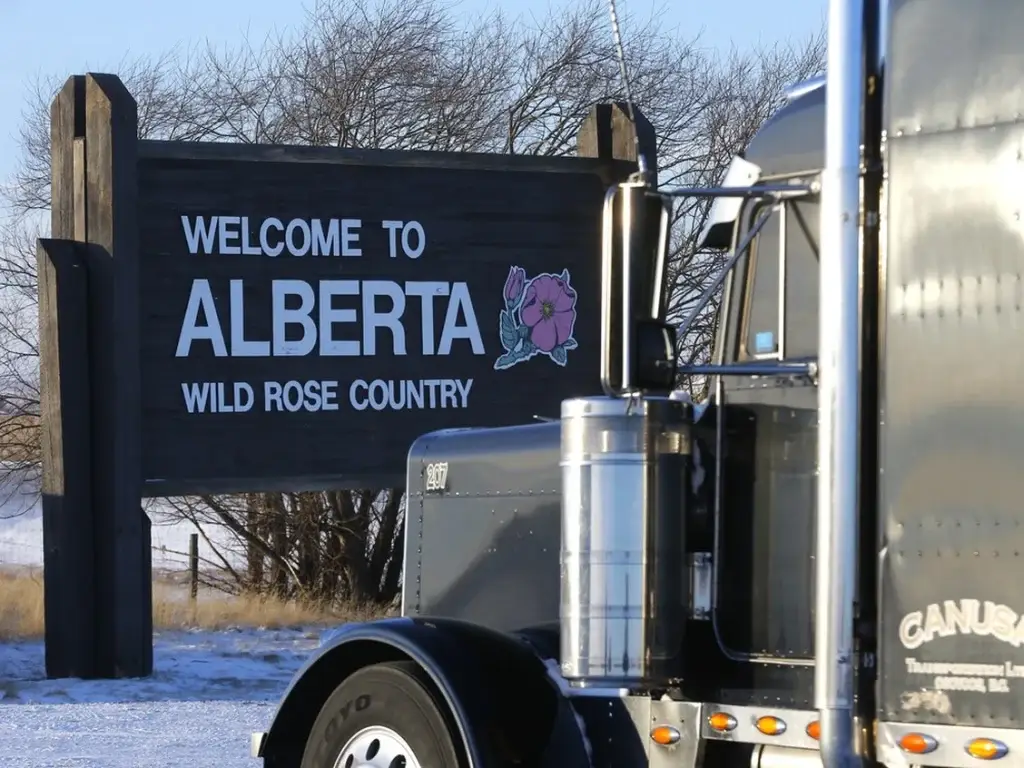
The Coutts border crossing on Wednesday, Feb. 2, 2022. Photo by Darren Makowichuk /Postmedia

Opinion: How Alberta’s small businesses can navigate U.S. tariffs

The recent one-month suspension of a 25-per-cent tariff by the United States on most Canadian imports has thrown many Alberta small- and medium-sized enterprises (SMEs) into a state of uncertainty. While the intent behind these tariffs seems to be to not only protect American jobs and industries by taxing goods consumed within the U.S., but also to motivate action on border issues such as illegal migration and the movement of the deadly drug fentanyl, the ripple effects are being felt keenly north of the border.
BIE_October

Unleashing Businesses’ Potential Through Better Corporate Governance

Canada’s small businesses have a big impact on our economy. As of 2021, there were 1.21 million employer businesses in the country. Of that number, nearly 98 per cent were small businesses. Over eight million Canadians, or roughly 68 per cent of the total private sector labour force, were employed by a small business.1 To top it off, they generated nearly 38 per cent of private sector GDP in 2019.

AEG Podcast, Episode 7: Exploring the Move from Quebec to Alberta and the Vision for Canada’s Energy

In this podcast, the host interviews special guest Michel Kelly Gagnon, who is moving from Quebec to Alberta due to his love for the province and its people, as well as a career opportunity with his organization, M.E.I. The conversation touches on topics such as the purpose of M.E.I., their work in energy policies in Canada, and the Quebec-Alberta dialogue. Gagnon shares his vision for Alberta, seeing it as a beacon of Canada in the next 15-20 years. The interview ends with gratitude and thanks from both the host and Gagnon. Psychological techniques used in the podcast include evoking emotions such as love, gratitude, and a shared vision for a better Canada.