News

The latest news, editorials, and conversations shaping Alberta’s business environment.

Stay informed with timely updates, expert insights, and in-depth conversations.

Alberta Enterprise Group Names New President

BIE_November

Turning Energy into Food

Canada’s small businesses have a big impact on our economy. As of 2021, there were 1.21 million employer businesses in the country. Of that number, nearly 98 per cent were small businesses. Over eight million Canadians, or roughly 68 per cent of the total private sector labour force, were employed by a small business.1 To top it off, they generated nearly 38 per cent of private sector GDP in 2019.



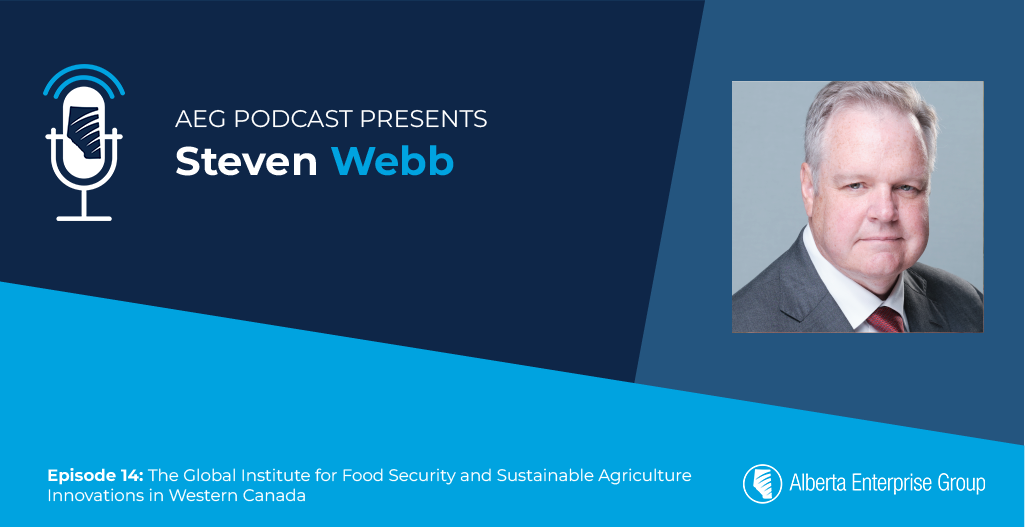
AEG Podcast, Ep 14: The Global Institute for Food Security and Sustainable Agriculture Innovations in Western Canada

Catherine Brownlee interviews Steve Webb from the Global Institute for Food Security in this podcast. They discuss the institute's objective to promote innovative and worldwide sustainable food solutions through industry-government-academic partnership. They discuss the challenges and opportunities for innovation in agriculture and food, and highlight the sustainable outcomes of Western Canada's adoption of innovative technologies like no-till and herbicide-tolerant canola. The conversation emphasizes the importance of partnerships and collaborations between governments, academia, and industry to bring market-relevant innovations to consumers and producers worldwide.