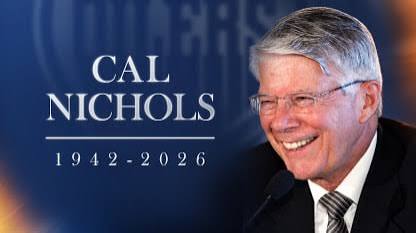
AEG mourns the passing of founding Chairman and Chairman Emeritus Cal Nichols, remembering his lifelong commitment to Alberta, business, community and the principle of giving back.

AEG mourns the passing of founding Chairman and Chairman Emeritus Cal Nichols, remembering his lifelong commitment to Alberta, business, community and the principle of giving back.

Alberta businesses have weathered economic downturns, labour shortages, policy changes and market volatility, but the uncertainty surrounding the referendum presents a different challenge: confidence in long-term stability. Cam explores the potential impact of the referendum debate on business confidence, investment and growth, and how Alberta’s strong economic fundamentals could help its business community navigate uncertainty and emerge stronger.
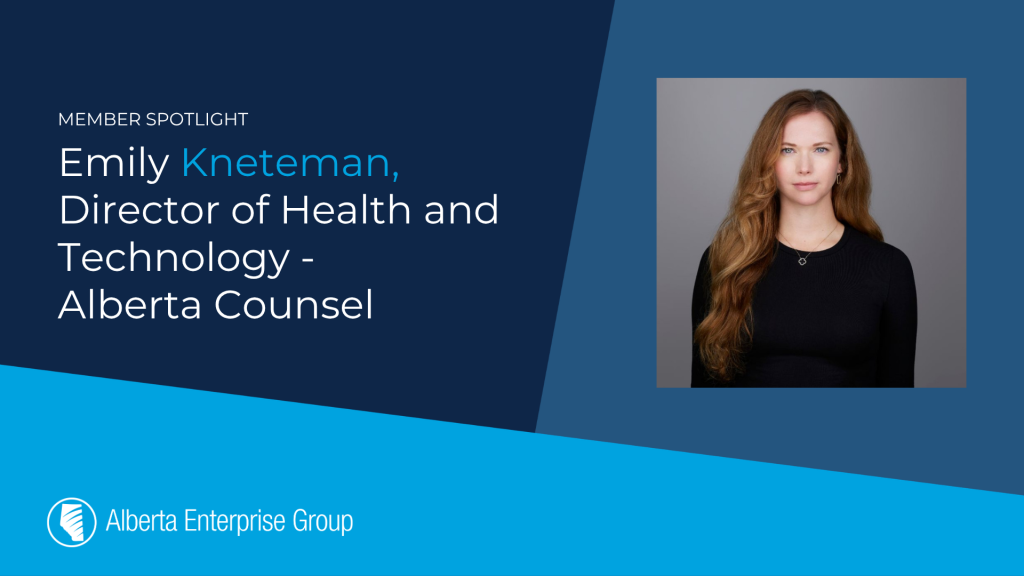
Emily Kneteman is the Director of Health and Technology at Alberta Counsel, supporting multinational organizations with Canadian investments and promoting Alberta’s innovation ecosystem. She connects industry, community, and government partners and brings experience in economic development, fundraising, and community building.

David Walkington is the Owner of The Landscape Artist Inc., a Calgary landscaping company serving homeowners since 1977. Specializing in custom residential landscape design and construction, the team manages projects from concept to completion. From small backyards to large acreage properties, The Landscape Artist creates outdoor spaces homeowners are proud of.

Stacie Lara is a dynamic senior executive specializing in organizational leadership and foreign direct investment. With a proven track record of driving multimillion-dollar growth initiatives and advising senior leaders across global markets, she is known for her strategic insight, professionalism, and collaborative approach.
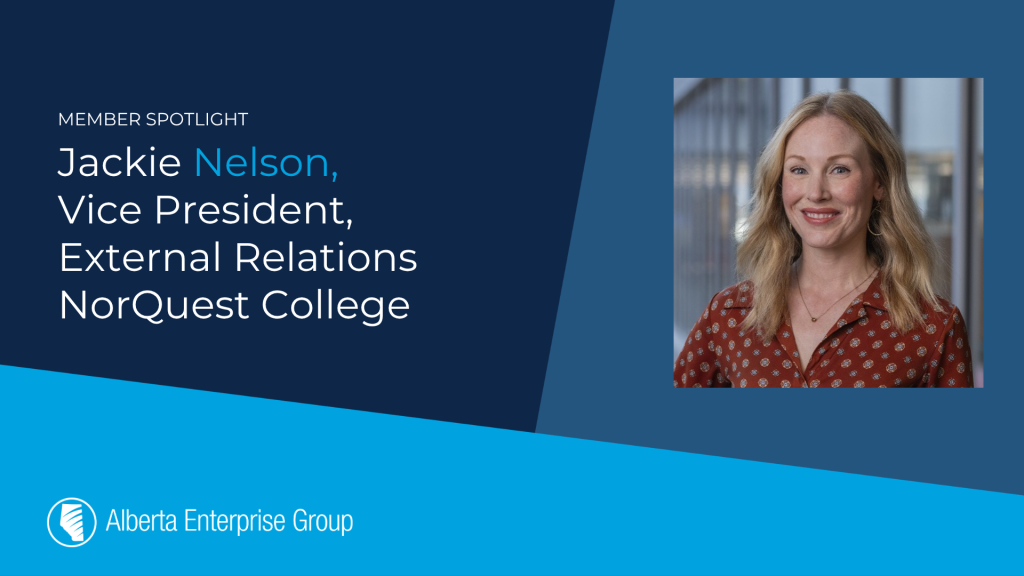
Jackie Nelson, VP of External Relations at NorQuest College, leverages 15 + years in health and education – leading Edmonton West Primary Care Network, serving as VP of a Maine critical access hospital, and sitting on several nonprofit boards – to shape the college’s brand and forge strategic partnerships. She holds a BSc in Nursing and an MPH in Health Policy & Management from the University of Alberta.
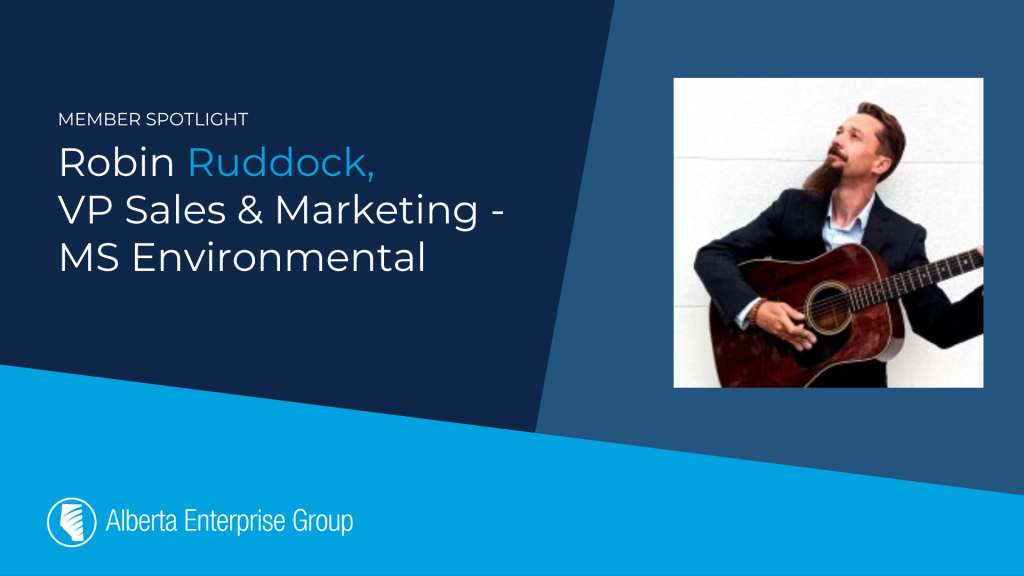
Meet Robin Ruddock, Vice President of Sales & Marketing at MS Environmental Solutions. Robin delivers “Sustainable Solutions for Alberta,” showcasing the innovative, eco‑focused strategies that are shaping a greener future for the province.
Two recent articles provide crucial insights into the complexities of tariffs and global trade, offering guidance for Canada’s response. John Mauldin discusses the economic dangers of tariffs, highlighting how they can trigger inflation and recession. Jack Mintz advises Canada to engage strategically with the U.S., diversify trade relationships, and address internal trade barriers.
As the Canadian Sustainability Standards Board (CSSB) introduces the Canadian Sustainability Disclosure Standards (CSDS), small and medium-sized enterprises (SMEs) must take proactive steps to ensure compliance. Take action now to assess your current practices, develop a governance framework, and create a reporting plan. Stay ahead of the competition and position your business for success in a sustainability-driven economy. Learn more about CSDS compliance and how to leverage it as a competitive advantage.
As the world shifts towards a more sustainable tomorrow, it’s time to rethink the role of nuclear energy in our transition to a low-carbon future. Learn how innovative companies like Aalo Atomics and Antares are pioneering a new era of clean energy with small, modular reactors that are safer, more efficient, and more cost-effective than ever before. Read the article now and join the conversation!
