

News
The latest news, editorials, and conversations shaping Alberta’s business environment.
Stay informed with timely updates, expert insights, and in-depth conversations.
Opinion: How Alberta’s small businesses can navigate U.S. tariffs
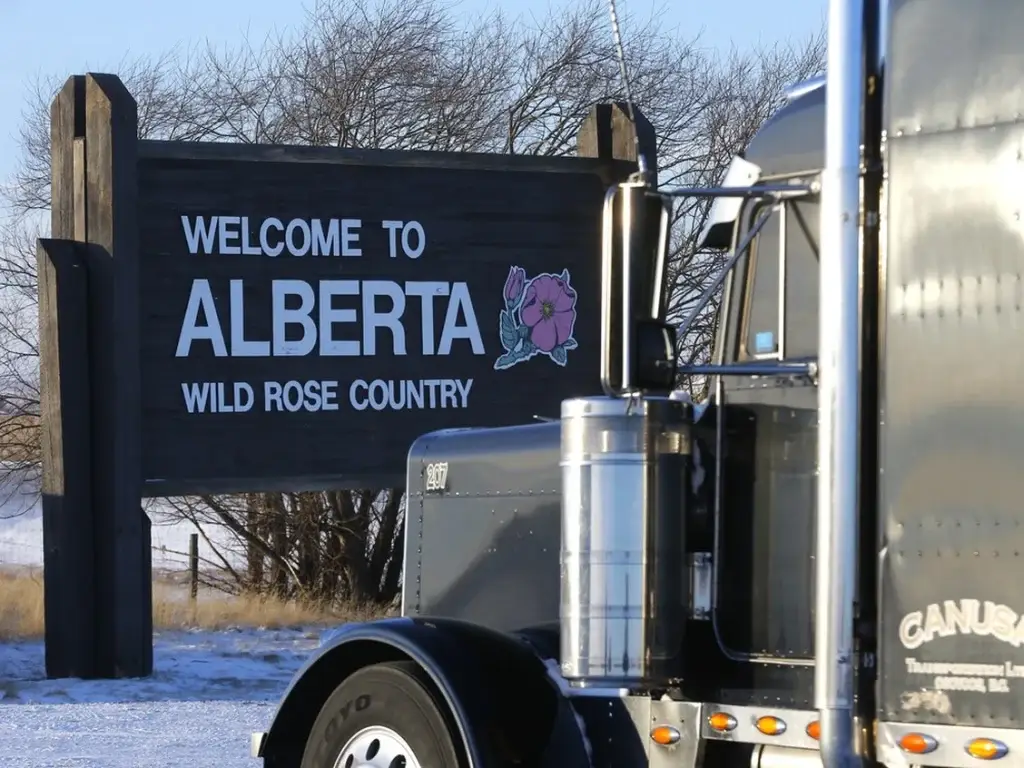
The recent one-month suspension of a 25-per-cent tariff by the United States on most Canadian imports has thrown many Alberta small- and medium-sized enterprises (SMEs) into a state of uncertainty. While the intent behind these tariffs seems to be to not only protect American jobs and industries by taxing goods consumed within the U.S., but also to motivate action on border issues such as illegal migration and the movement of the deadly drug fentanyl, the ripple effects are being felt keenly north of the border.
The recent one-month suspension of a 25-per-cent tariff by the United States on most Canadian imports has thrown many Alberta small- and medium-sized enterprises (SMEs) into a state of uncertainty. While the intent behind these tariffs seems to be to not only protect American jobs and industries by taxing goods consumed within the U.S., but also to motivate action on border issues such as illegal migration and the movement of the deadly drug fentanyl, the ripple effects are being felt keenly north of the border.
Turning Energy into Food
Canada’s small businesses have a big impact on our economy. As of 2021, there were 1.21 million employer businesses in the country. Of that number, nearly 98 per cent were small businesses. Over eight million Canadians, or roughly 68 per cent of the total private sector labour force, were employed by a small business.1 To top it off, they generated nearly 38 per cent of private sector GDP in 2019.
Canada’s small businesses have a big impact on our economy. As of 2021, there were 1.21 million employer businesses in the country. Of that number, nearly 98 per cent were small businesses. Over eight million Canadians, or roughly 68 per cent of the total private sector labour force, were employed by a small business.1 To top it off, they generated nearly 38 per cent of private sector GDP in 2019.
AEG Podcast, Episode 8: Expanding Beyond Occupational Health and Safety: SIS Foundation’s Vision for Mental Health and Energy Literacy
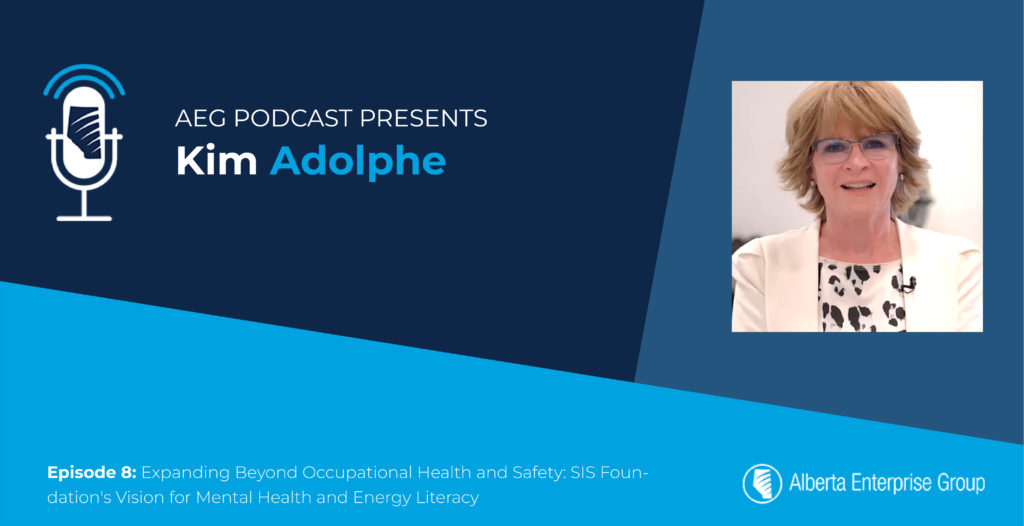
In this podcast episode, AEG interviews Kim from Swift Learning and the SIS Foundation. Kim talks about how the Alberta government’s legislation prompted the establishment of the SIS Foundation in 2011 to provide occupational health and safety training to students. They discuss the Foundation’s current initiatives, such as expanding into mental health and well-being and energy literacy programs, and its partnerships with subject matter experts, government organizations, and industry. Kim also shares her vision of using the SAAS and Sahara technology to expand the Foundation’s e-learning programs and engage young ambassadors to promote workplace safety and education. The podcast offers insights into the Foundation’s future initiatives and its potential to become an online charter school or partner with other organizations to benefit the community at large.
In this podcast episode, AEG interviews Kim from Swift Learning and the SIS Foundation. Kim talks about how the Alberta government’s legislation prompted the establishment of the SIS Foundation in 2011 to provide occupational health and safety training to students. They discuss the Foundation’s current initiatives, such as expanding into mental health and well-being and energy literacy programs, and its partnerships with subject matter experts, government organizations, and industry. Kim also shares her vision of using the SAAS and Sahara technology to expand the Foundation’s e-learning programs and engage young ambassadors to promote workplace safety and education. The podcast offers insights into the Foundation’s future initiatives and its potential to become an online charter school or partner with other organizations to benefit the community at large.