

News
The latest news, editorials, and conversations shaping Alberta’s business environment.
Stay informed with timely updates, expert insights, and in-depth conversations.
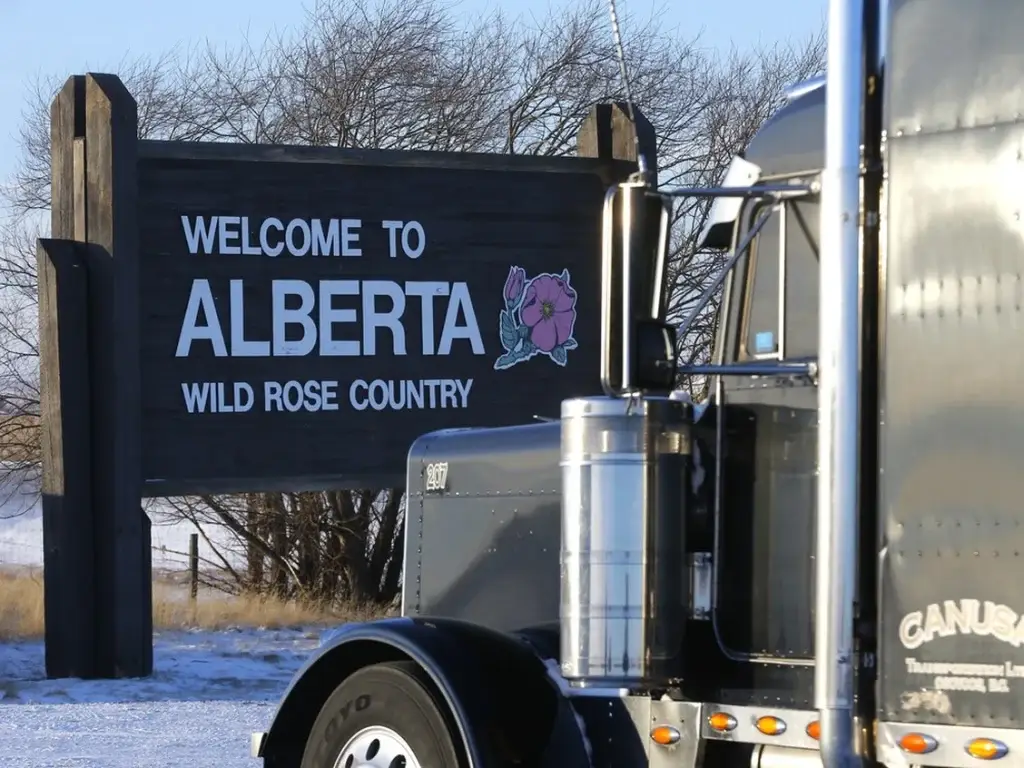
Opinion: How Alberta’s small businesses can navigate U.S. tariffs
The recent one-month suspension of a 25-per-cent tariff by the United States on most Canadian imports has thrown many Alberta small- and medium-sized enterprises (SMEs) into a state of uncertainty. While the intent behind these tariffs seems to be to not only protect American jobs and industries by taxing goods consumed within the U.S., but also to motivate action on border issues such as illegal migration and the movement of the deadly drug fentanyl, the ripple effects are being felt keenly north of the border.
The recent one-month suspension of a 25-per-cent tariff by the United States on most Canadian imports has thrown many Alberta small- and medium-sized enterprises (SMEs) into a state of uncertainty. While the intent behind these tariffs seems to be to not only protect American jobs and industries by taxing goods consumed within the U.S., but also to motivate action on border issues such as illegal migration and the movement of the deadly drug fentanyl, the ripple effects are being felt keenly north of the border.
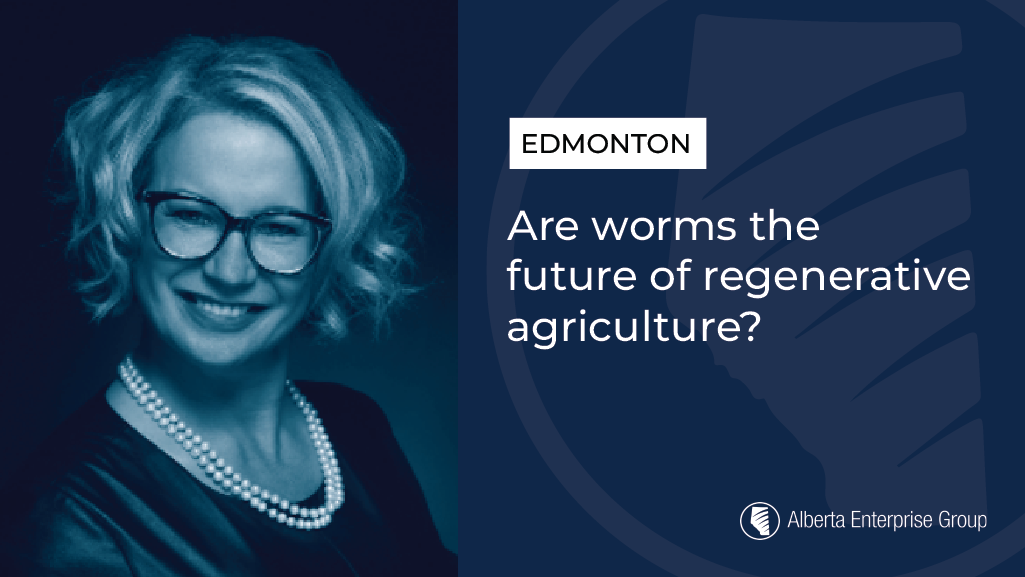
Are Worms the Future of Regenerative Agriculture?
Our friend Michael Launer is an Albertan and a strong advocate for green technologies. He and his partners founded Annelida in 2018, an innovative ag-tech company that is positioned to disrupt conventional thinking in the agriculture sector. They have looked at the wider issues of conventional fertilizer use and its impacts on soil biology for producers. Without natural replenishment of microbiology back into the ground, the use of traditional fertilizers leads to depletion and degradation of the soil over time. Their team took on this challenge and is producing enhanced nutrient efficiency formulas – modern and effective regenerative ag solutions derived directly from nature.
Our friend Michael Launer is an Albertan and a strong advocate for green technologies. He and his partners founded Annelida in 2018, an innovative ag-tech company that is positioned to disrupt conventional thinking in the agriculture sector. They have looked at the wider issues of conventional fertilizer use and its impacts on soil biology for producers. Without natural replenishment of microbiology back into the ground, the use of traditional fertilizers leads to depletion and degradation of the soil over time. Their team took on this challenge and is producing enhanced nutrient efficiency formulas – modern and effective regenerative ag solutions derived directly from nature.
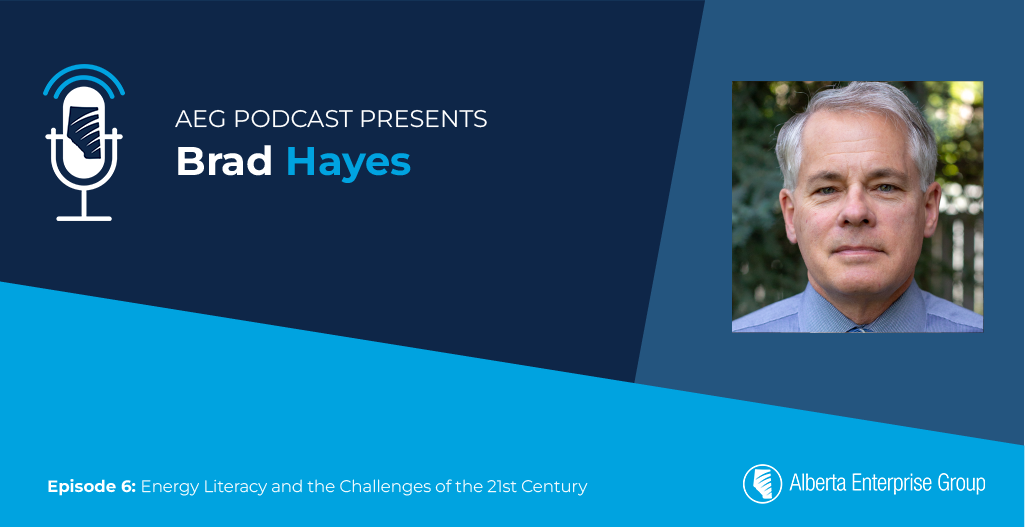
AEG Podcast, Episode 6: Energy Literacy and the Challenges of the 21st Century
In this AEG Podcast between Catherine and Brad Hayes about energy and energy transition. Brad explains that most Canadians are not energy literate as energy has always been available to them, and people only become more informed when there is a shortage of energy. However, due to recent energy shortages in European countries, people are becoming more aware of the complexities of energy. Brad emphasizes that providing adequate energy should be the top priority as nothing can be achieved without adequate and affordable energy. Government policies should ensure adequate energy supply at the top of the list, with environmental protection coming in second. Brad believes that the term energy transition is a loaded term, and the sensible approach is to transform our energy delivery system from a certain mix to a different mix in the future. Brad also suggests various sources to obtain factual information on energy, and Catherine adds that we should always question what we are being told.
In this AEG Podcast between Catherine and Brad Hayes about energy and energy transition. Brad explains that most Canadians are not energy literate as energy has always been available to them, and people only become more informed when there is a shortage of energy. However, due to recent energy shortages in European countries, people are becoming more aware of the complexities of energy. Brad emphasizes that providing adequate energy should be the top priority as nothing can be achieved without adequate and affordable energy. Government policies should ensure adequate energy supply at the top of the list, with environmental protection coming in second. Brad believes that the term energy transition is a loaded term, and the sensible approach is to transform our energy delivery system from a certain mix to a different mix in the future. Brad also suggests various sources to obtain factual information on energy, and Catherine adds that we should always question what we are being told.