

News
The latest news, editorials, and conversations shaping Alberta’s business environment.
Stay informed with timely updates, expert insights, and in-depth conversations.
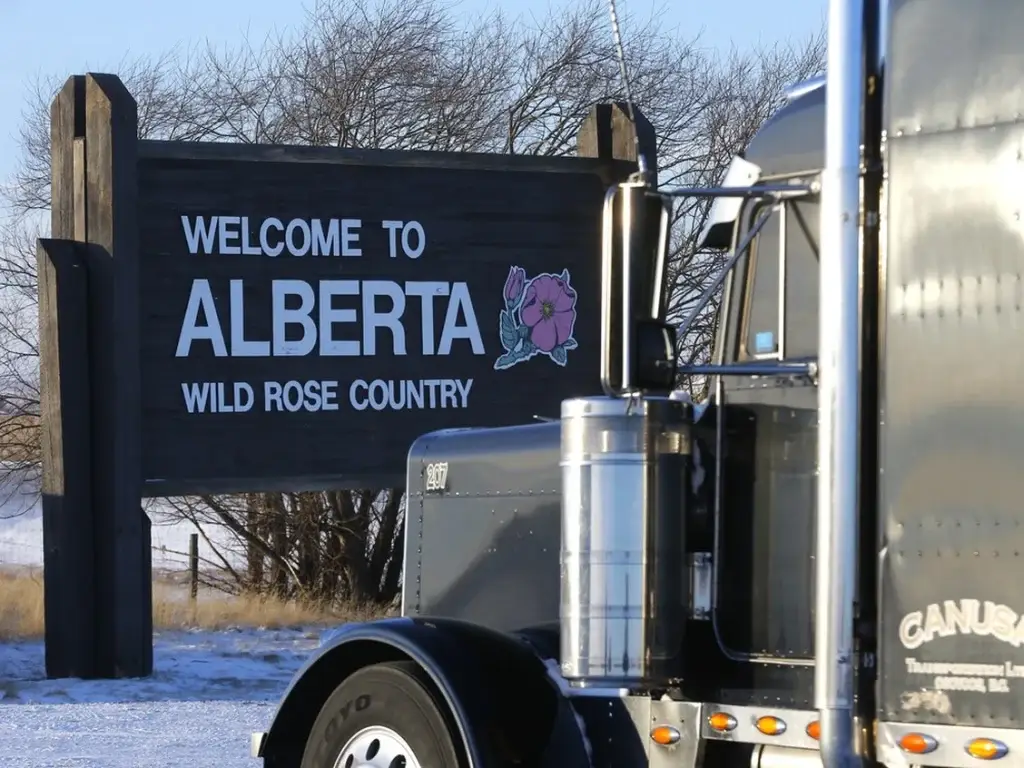
Opinion: How Alberta’s small businesses can navigate U.S. tariffs
The recent one-month suspension of a 25-per-cent tariff by the United States on most Canadian imports has thrown many Alberta small- and medium-sized enterprises (SMEs) into a state of uncertainty. While the intent behind these tariffs seems to be to not only protect American jobs and industries by taxing goods consumed within the U.S., but also to motivate action on border issues such as illegal migration and the movement of the deadly drug fentanyl, the ripple effects are being felt keenly north of the border.
The recent one-month suspension of a 25-per-cent tariff by the United States on most Canadian imports has thrown many Alberta small- and medium-sized enterprises (SMEs) into a state of uncertainty. While the intent behind these tariffs seems to be to not only protect American jobs and industries by taxing goods consumed within the U.S., but also to motivate action on border issues such as illegal migration and the movement of the deadly drug fentanyl, the ripple effects are being felt keenly north of the border.

Alberta’s Pre-Election Budget Biggest Surprise? Fiscal Prudence!
Pre-election budgets are rarely admirable. Money is spread around like pixie dust to curry the support of voters and to knee-cap opposition parties by borrowing their ideas. To a certain extent, the pre-election good news budget that Alberta Finance Minister Travis Toews delivered Tuesday follows this time-honoured political path, helped by $27.5 billion in oil and gas revenues in the 2022/23 fiscal year. And so, it is easy to chide the budget for populist policies like freezing insurance rates and capping post-secondary tuition fee increases at 2 per cent and for industrial policy measures for politically favoured industries (such as agricultural processing and film and television production). And there is the usual scattering of minor tax credits instead of a general cut in personal taxes – with no mention of a tax review geared to major reform, which the United Conservative Party proposed when it took office.
Pre-election budgets are rarely admirable. Money is spread around like pixie dust to curry the support of voters and to knee-cap opposition parties by borrowing their ideas. To a certain extent, the pre-election good news budget that Alberta Finance Minister Travis Toews delivered Tuesday follows this time-honoured political path, helped by $27.5 billion in oil and gas revenues in the 2022/23 fiscal year. And so, it is easy to chide the budget for populist policies like freezing insurance rates and capping post-secondary tuition fee increases at 2 per cent and for industrial policy measures for politically favoured industries (such as agricultural processing and film and television production). And there is the usual scattering of minor tax credits instead of a general cut in personal taxes – with no mention of a tax review geared to major reform, which the United Conservative Party proposed when it took office.

What Companies are Getting Wrong About Doing Good (Webinar)
This is a webinar hosted by Jeff Davidson, CEO of the Prostate Cancer Center in Calgary, on the topic of corporate social activism. The discussion focuses on the importance of businesses engaging in social change to meet the expectations of their audiences, including employees, customers, shareholders, and investors. Joni Abram, an expert in social change, marketing, and behavioral science, joins Jeff to discuss the risks and potential impact of corporate social activism, and how businesses can approach it authentically to build goodwill and establish themselves as valuable members of the community. They also discuss the importance of tangible outcomes and impact, and give examples of good and bad corporate social activism. The webinar emphasizes that smaller companies can have a real impact on their communities and offers practical advice on how to achieve meaningful social change.
This is a webinar hosted by Jeff Davidson, CEO of the Prostate Cancer Center in Calgary, on the topic of corporate social activism. The discussion focuses on the importance of businesses engaging in social change to meet the expectations of their audiences, including employees, customers, shareholders, and investors. Joni Abram, an expert in social change, marketing, and behavioral science, joins Jeff to discuss the risks and potential impact of corporate social activism, and how businesses can approach it authentically to build goodwill and establish themselves as valuable members of the community. They also discuss the importance of tangible outcomes and impact, and give examples of good and bad corporate social activism. The webinar emphasizes that smaller companies can have a real impact on their communities and offers practical advice on how to achieve meaningful social change.