

News
The latest news, editorials, and conversations shaping Alberta’s business environment.
Stay informed with timely updates, expert insights, and in-depth conversations.
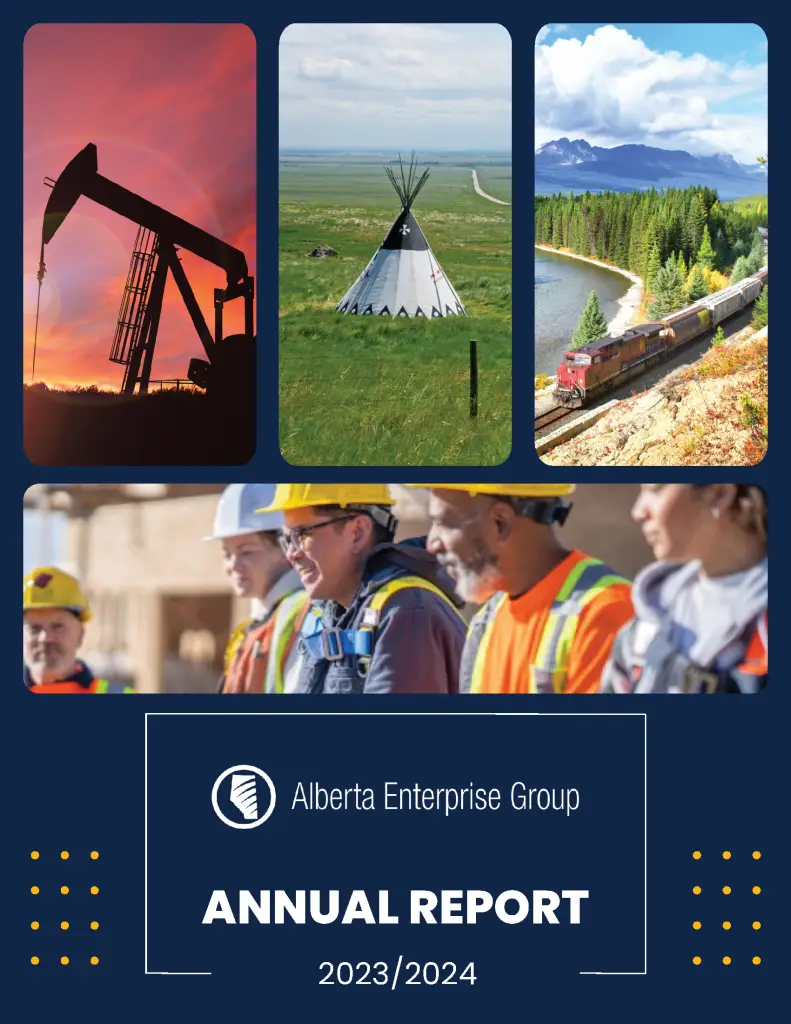
AEG Annual Report 2024
A Year in Review - The AEG Annual Report 2024
"Central to our work is AEG’s core belief that meaningful change comes from a broadnet work of influencers and proven decision-makers across every major industry inAlberta. Together, we know that we can achieve more. Our network allows businesses of all sizes to connect with Alberta’s business leaders and policymakers, providing them with a clear and informed view of the provincial landscape. This access enables businesses to stay knowledgeable about industry developments, legislative changes, and key economic trends impacting Alberta." - Catherine Brownlee, President, Alberta Enterprise Group
A Year in Review - The AEG Annual Report 2024
"Central to our work is AEG’s core belief that meaningful change comes from a broadnet work of influencers and proven decision-makers across every major industry inAlberta. Together, we know that we can achieve more. Our network allows businesses of all sizes to connect with Alberta’s business leaders and policymakers, providing them with a clear and informed view of the provincial landscape. This access enables businesses to stay knowledgeable about industry developments, legislative changes, and key economic trends impacting Alberta." - Catherine Brownlee, President, Alberta Enterprise Group

Rebrand Calgary? Why?
The push to rebrand Calgary is on the table again. Is the reason to appear more cosmopolitan, or is re-branding the same as changing the curtains in the office when new occupants move in? It was said that some feel the city is dominated by corporate and cowboy culture, and it is difficult to fit in if you do not identify with either of those segments. It is also difficult to have a vibrant city without corporate dollars invested. And when did 'cowboy culture' become shameful? I was under the impression people choose a city for more opportunity or a more desirable lifestyle, not to change it to something they left - otherwise why move? Being a lifetime Calgarian myself, I admit this did set my nerves a bit on edge.
The push to rebrand Calgary is on the table again. Is the reason to appear more cosmopolitan, or is re-branding the same as changing the curtains in the office when new occupants move in? It was said that some feel the city is dominated by corporate and cowboy culture, and it is difficult to fit in if you do not identify with either of those segments. It is also difficult to have a vibrant city without corporate dollars invested. And when did 'cowboy culture' become shameful? I was under the impression people choose a city for more opportunity or a more desirable lifestyle, not to change it to something they left - otherwise why move? Being a lifetime Calgarian myself, I admit this did set my nerves a bit on edge.
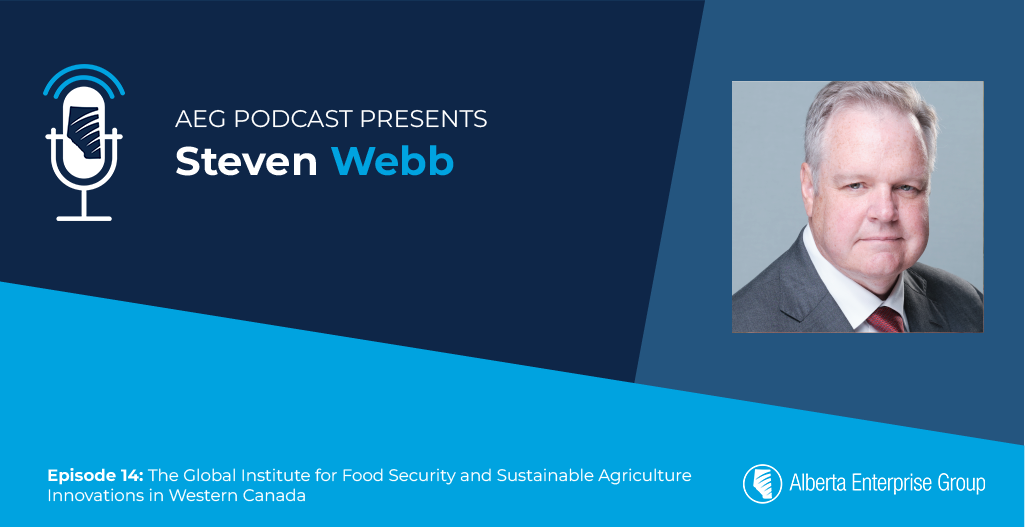
AEG Podcast, Ep 14: The Global Institute for Food Security and Sustainable Agriculture Innovations in Western Canada
Catherine Brownlee interviews Steve Webb from the Global Institute for Food Security in this podcast. They discuss the institute's objective to promote innovative and worldwide sustainable food solutions through industry-government-academic partnership. They discuss the challenges and opportunities for innovation in agriculture and food, and highlight the sustainable outcomes of Western Canada's adoption of innovative technologies like no-till and herbicide-tolerant canola. The conversation emphasizes the importance of partnerships and collaborations between governments, academia, and industry to bring market-relevant innovations to consumers and producers worldwide.
Catherine Brownlee interviews Steve Webb from the Global Institute for Food Security in this podcast. They discuss the institute's objective to promote innovative and worldwide sustainable food solutions through industry-government-academic partnership. They discuss the challenges and opportunities for innovation in agriculture and food, and highlight the sustainable outcomes of Western Canada's adoption of innovative technologies like no-till and herbicide-tolerant canola. The conversation emphasizes the importance of partnerships and collaborations between governments, academia, and industry to bring market-relevant innovations to consumers and producers worldwide.