News
The latest news, editorials, and conversations shaping Alberta’s business environment.
Stay informed with timely updates, expert insights, and in-depth conversations.
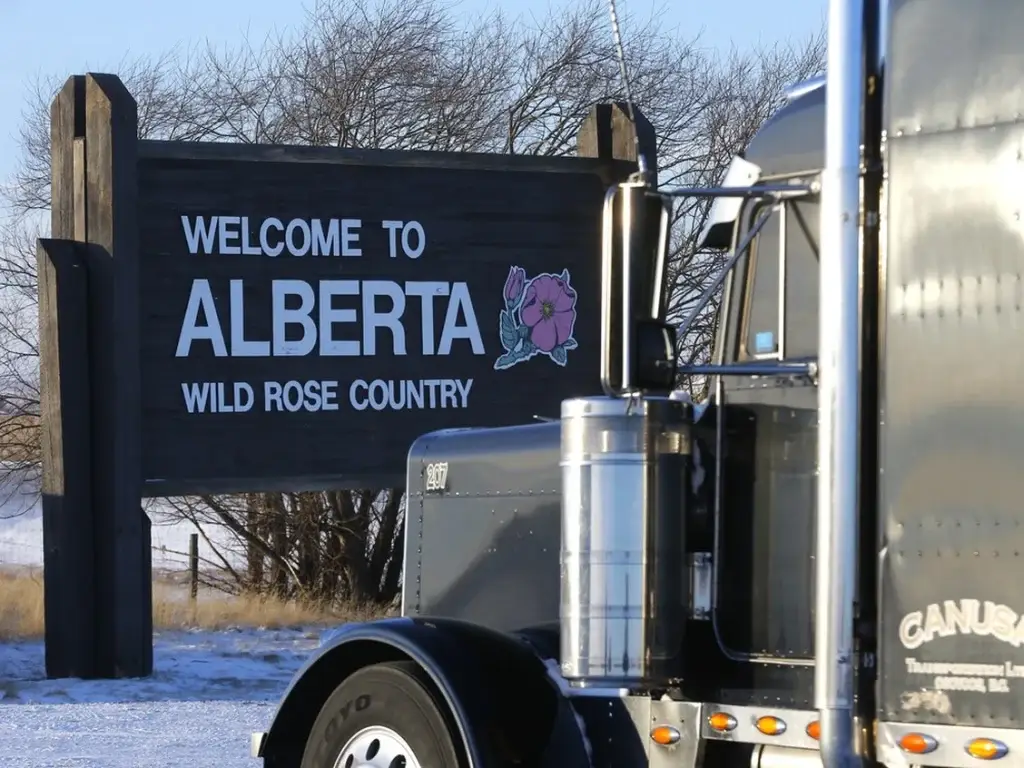
Opinion: How Alberta’s small businesses can navigate U.S. tariffs
The recent one-month suspension of a 25-per-cent tariff by the United States on most Canadian imports has thrown many Alberta small- and medium-sized enterprises (SMEs) into a state of uncertainty. While the intent behind these tariffs seems to be to not only protect American jobs and industries by taxing goods consumed within the U.S., but also to motivate action on border issues such as illegal migration and the movement of the deadly drug fentanyl, the ripple effects are being felt keenly north of the border.
Controlled Environment Agriculture
To thrive, the vertical farming sector must address broader market needs by expanding beyond microgreens and leafy greens to include a wider variety of produce. This diversification, along with managing unit costs, ensuring power reliability and affordability and developing a skilled workforce, are crucial for meeting retailer and consumer demands.