

News
The latest news, editorials, and conversations shaping Alberta’s business environment.
Stay informed with timely updates, expert insights, and in-depth conversations.
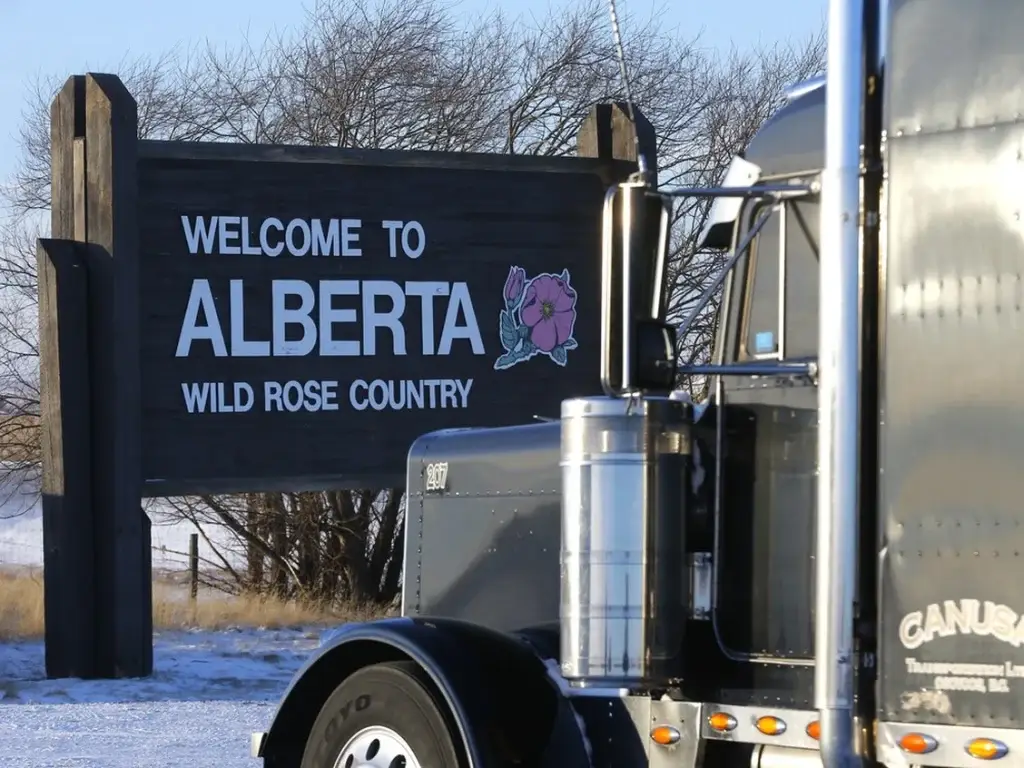
Opinion: How Alberta’s small businesses can navigate U.S. tariffs
The recent one-month suspension of a 25-per-cent tariff by the United States on most Canadian imports has thrown many Alberta small- and medium-sized enterprises (SMEs) into a state of uncertainty. While the intent behind these tariffs seems to be to not only protect American jobs and industries by taxing goods consumed within the U.S., but also to motivate action on border issues such as illegal migration and the movement of the deadly drug fentanyl, the ripple effects are being felt keenly north of the border.
The recent one-month suspension of a 25-per-cent tariff by the United States on most Canadian imports has thrown many Alberta small- and medium-sized enterprises (SMEs) into a state of uncertainty. While the intent behind these tariffs seems to be to not only protect American jobs and industries by taxing goods consumed within the U.S., but also to motivate action on border issues such as illegal migration and the movement of the deadly drug fentanyl, the ripple effects are being felt keenly north of the border.

2023 With a Lot of Help From Government
The article discusses various predictions and concerns for Canada in 2023, including inflation, economic growth, and tensions between resource-rich provinces and climate-frenzy Ottawa. The fastest-growing economies are predicted to be Guyana, Libya, and Venezuela due to oil and gas development and political stability. There is also a rise in environmentalists looking to end the fossil fuel industry, which is causing tension with oilfield workers. Housing insecurity and economic hardship are also concerns. Additionally, the article notes that Canada has spent millions of dollars on COVID isolation hotels due to a lack of notice of vacating.
The article discusses various predictions and concerns for Canada in 2023, including inflation, economic growth, and tensions between resource-rich provinces and climate-frenzy Ottawa. The fastest-growing economies are predicted to be Guyana, Libya, and Venezuela due to oil and gas development and political stability. There is also a rise in environmentalists looking to end the fossil fuel industry, which is causing tension with oilfield workers. Housing insecurity and economic hardship are also concerns. Additionally, the article notes that Canada has spent millions of dollars on COVID isolation hotels due to a lack of notice of vacating.
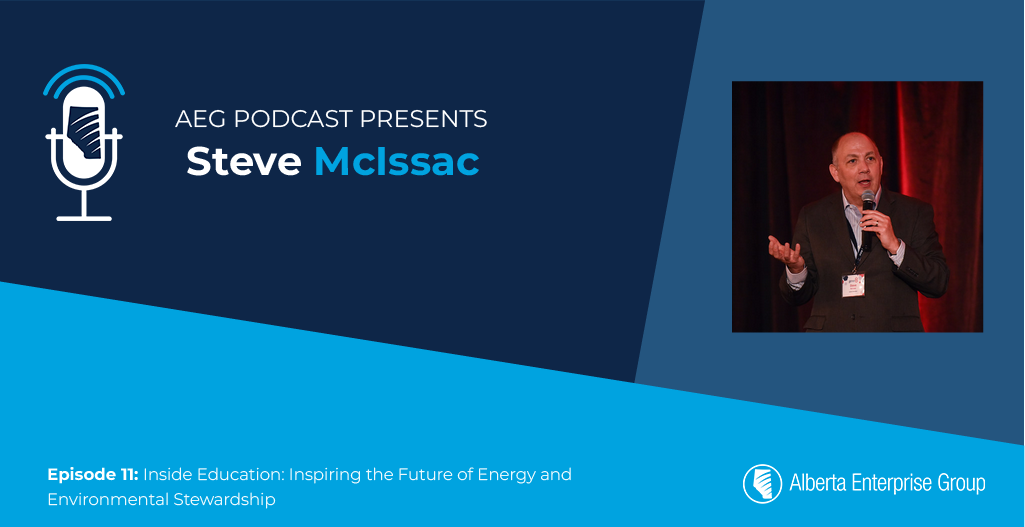
AEG Podcast, Ep. 11 – Inside Education: Inspiring the Future of Energy and Environmental Stewardship
In this podcast episode, AEG interviews Steve MacIsaac from Inside Education, an education support organization in Alberta that provides teachers with tools and resources to inspire their students in the fields of energy, natural resources, and the environment. MacIsaac talks about the organization’s tagline “supporting teachers, inspiring students” and how they work to engage young people in solutions and innovations in the industry. He also shares his observations on the changing engagement of young students over the years, as well as the recent Provincial Youth Summit they held, where high school students were given opportunities to deep dive into issues related to energy, climate, and water, and to develop education and action plans to share with their peers in their communities. The episode ends with MacIsaac’s advice to young energy leaders on how to be engaged and inspired in the future of energy and environmental stewardship.
In this podcast episode, AEG interviews Steve MacIsaac from Inside Education, an education support organization in Alberta that provides teachers with tools and resources to inspire their students in the fields of energy, natural resources, and the environment. MacIsaac talks about the organization’s tagline “supporting teachers, inspiring students” and how they work to engage young people in solutions and innovations in the industry. He also shares his observations on the changing engagement of young students over the years, as well as the recent Provincial Youth Summit they held, where high school students were given opportunities to deep dive into issues related to energy, climate, and water, and to develop education and action plans to share with their peers in their communities. The episode ends with MacIsaac’s advice to young energy leaders on how to be engaged and inspired in the future of energy and environmental stewardship.